

The Sirens
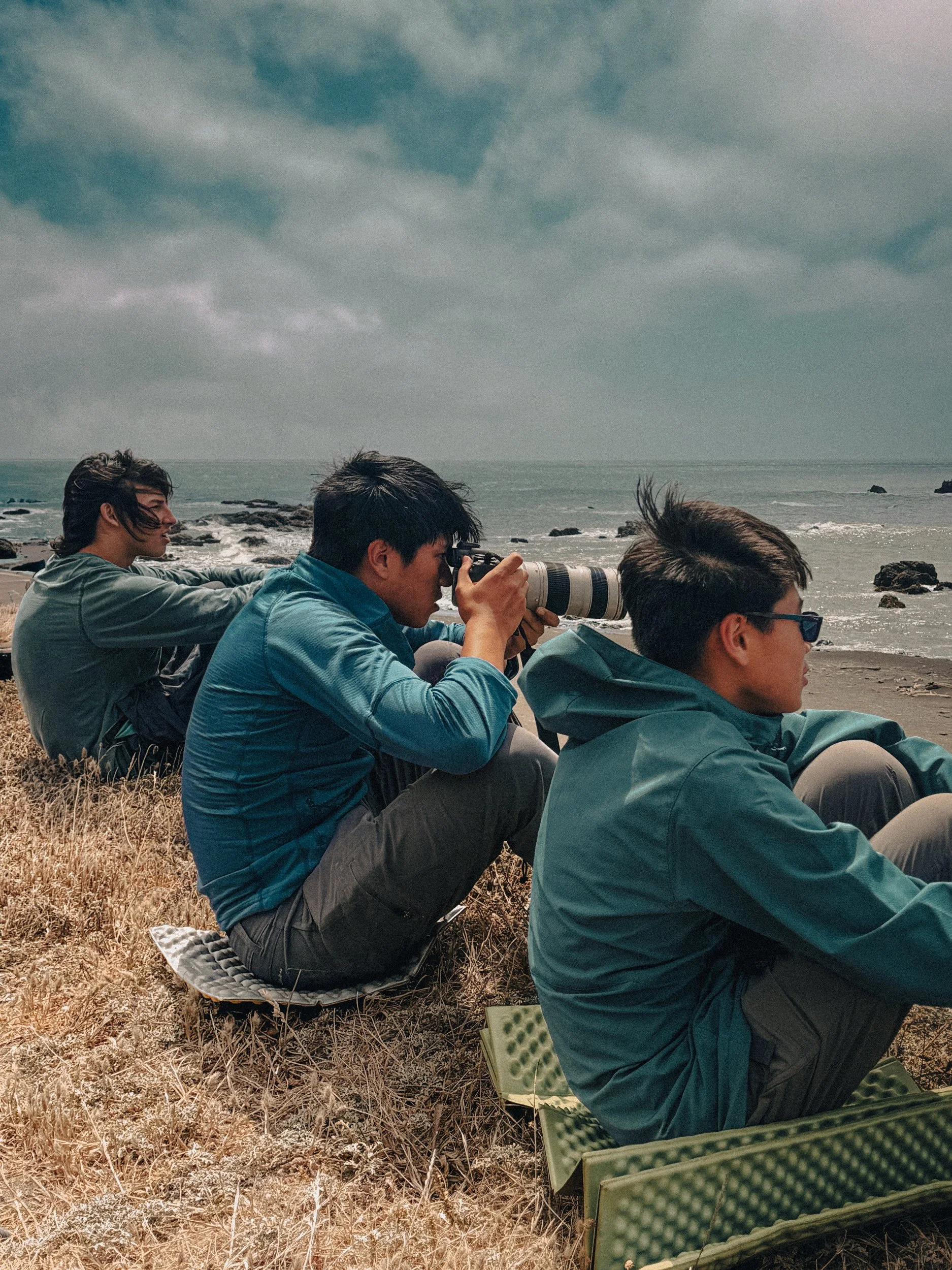
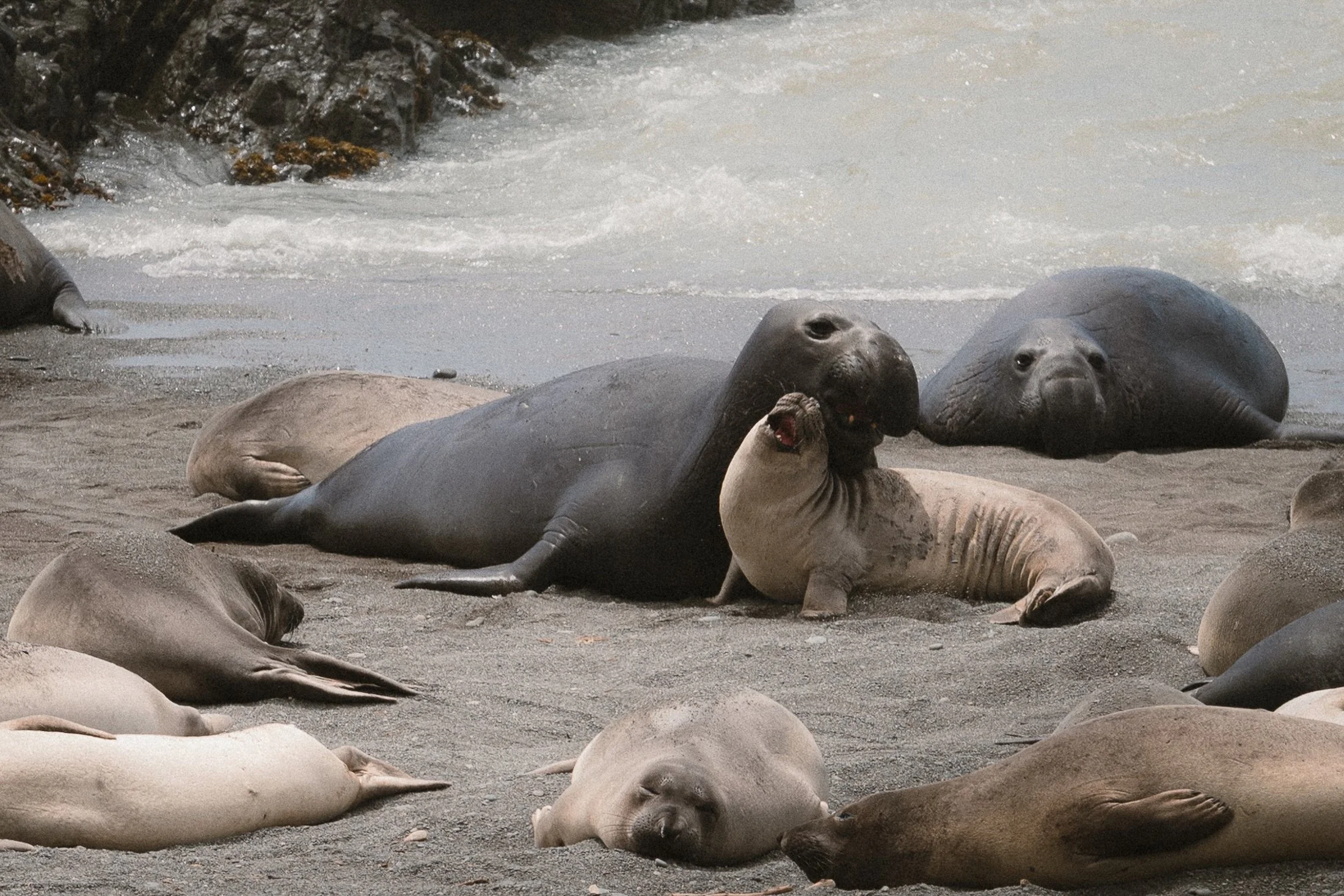
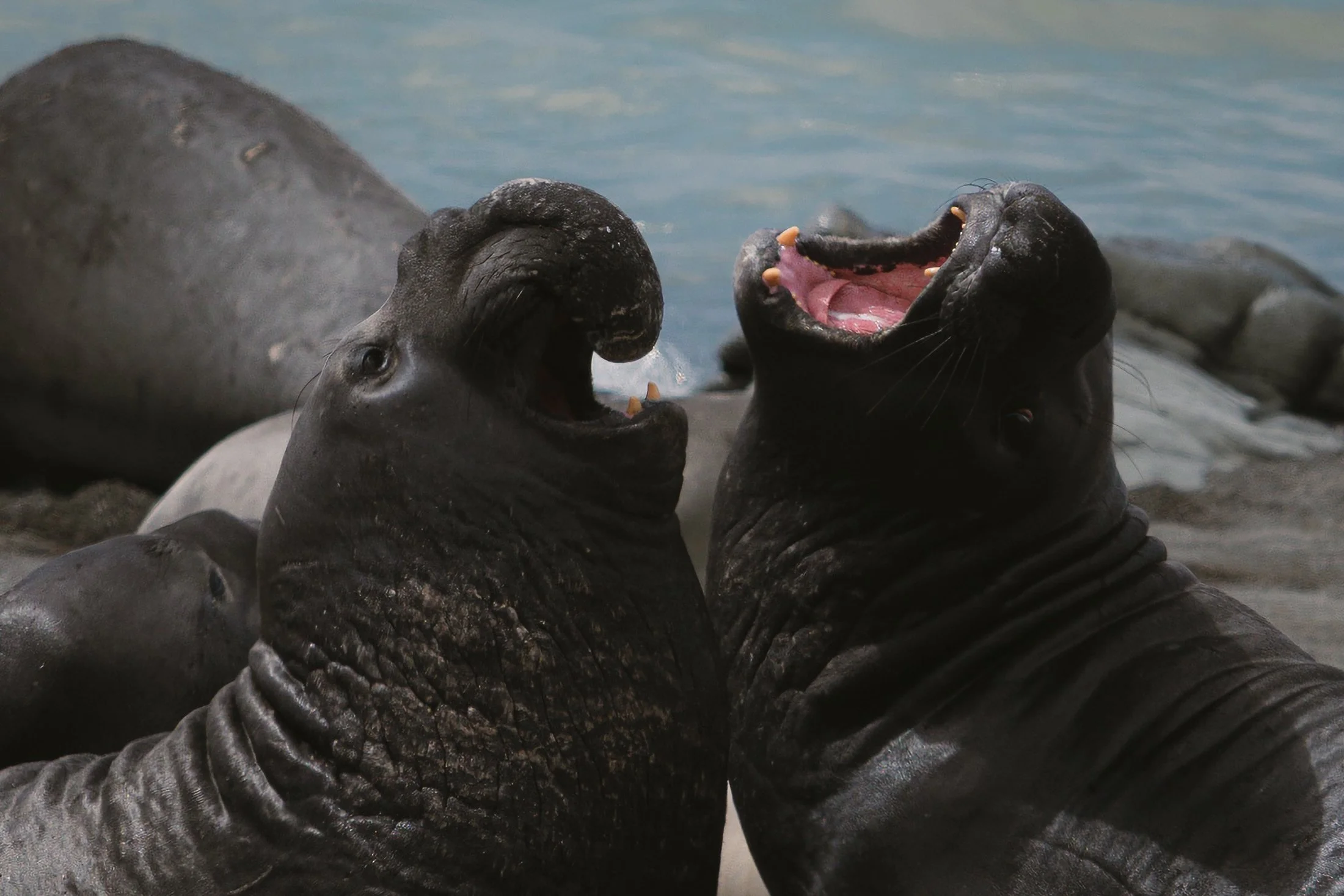
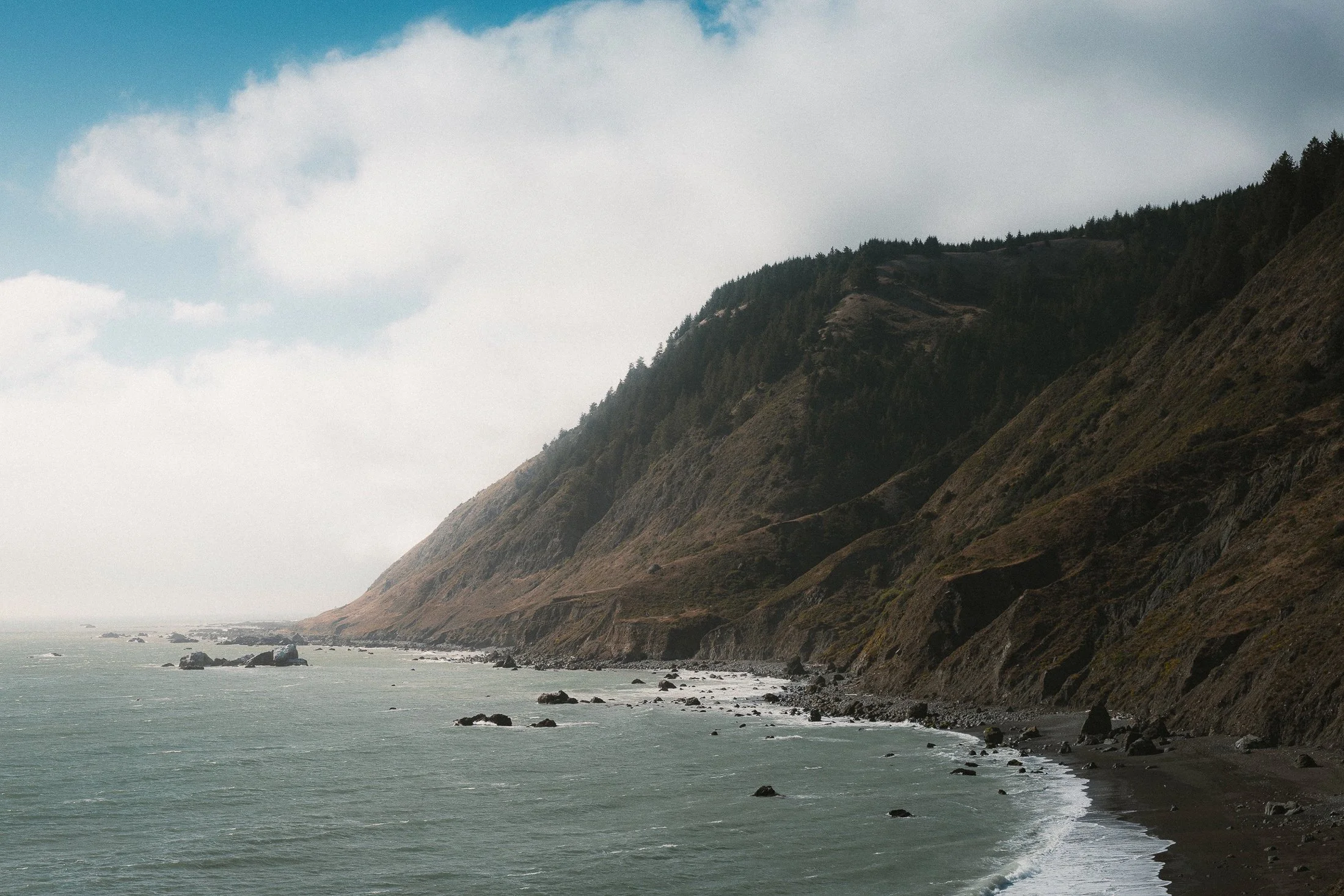
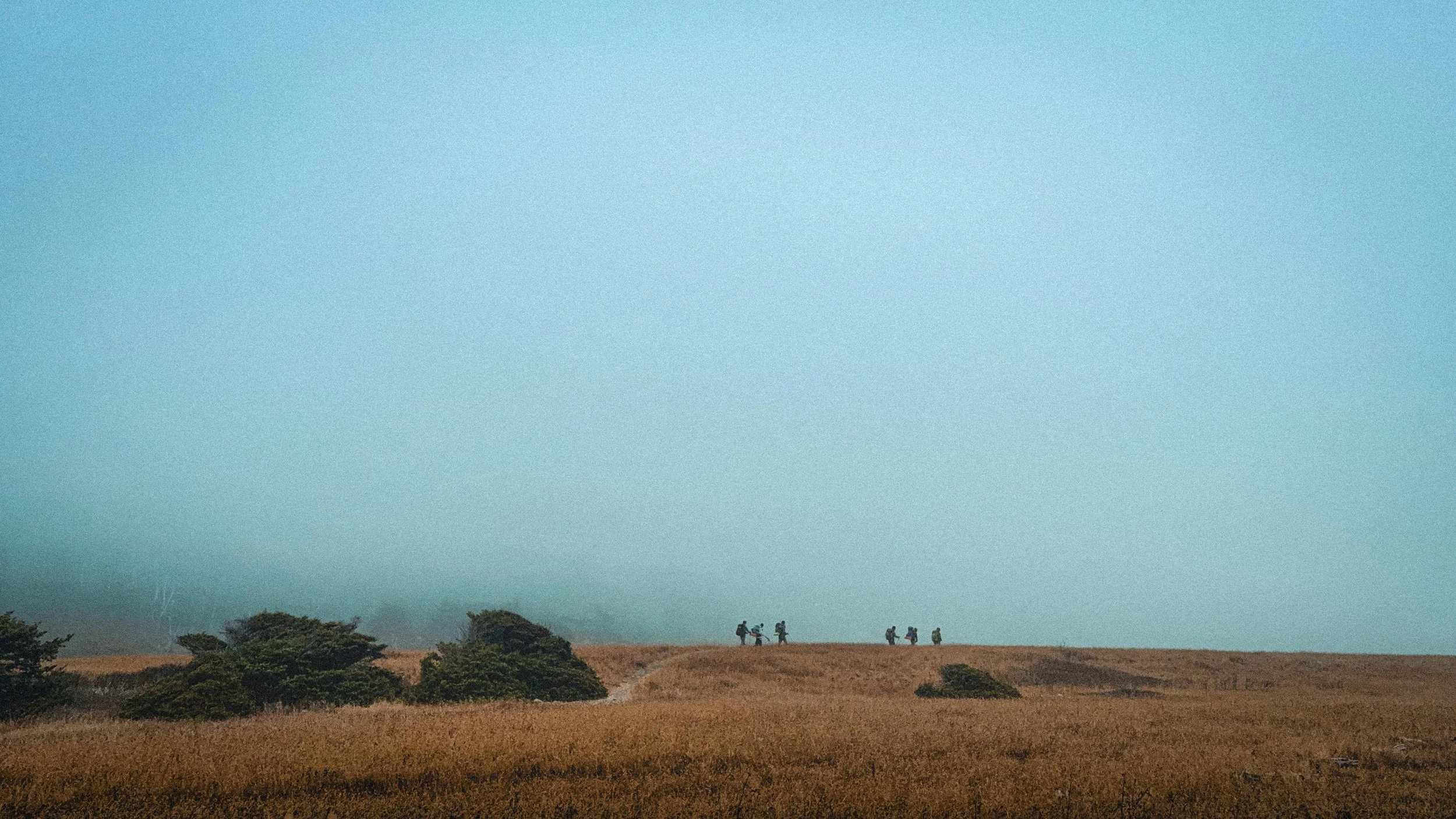
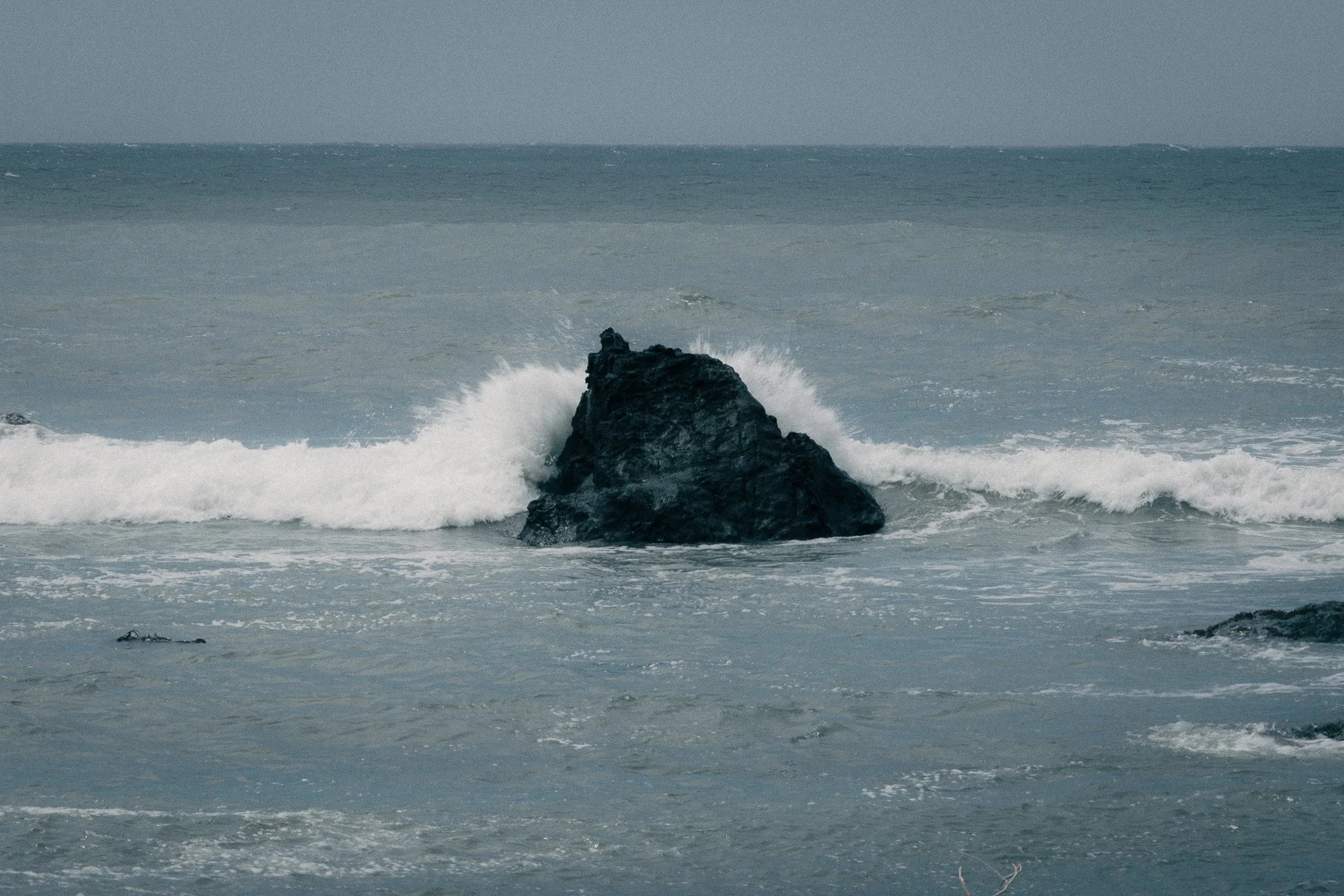
As we approached Punta Gorda the wind carried with it a sound too low to be birds and too strange to be the sea. What called to us was not lovely but hoarse and guttural and older than singing. Watching from a distance as the great throats of the Sirens were thrown open to the sky, we understood why sailors once mistook such voices for song.
A Bag of Winds
They say the sea keeps its secrets in its belly and the sky keeps its temper in its breath. Because we were boys with too much curiosity and days alone on the trail, we learned another thing: winds can be carried like firewood, bundled and stored, and released in small but furious measures.
We found the bag half-buried under the tumbled driftwood near the point where kelp mats heaved and fell with the ocean's slow heartbeat. It was left there by Aeolus, knowing we would find it, a simple ox-hide pouch, held closed by a coil of cord. Inside, we expected to find the usual small things boys collect: shells, sea glass, a message in a bottle. But when we loosened the cord and peered inside, the grass around our boots shivered and bent, and looking out to sea we saw the dark water start to roll.
We discovered how it worked by degrees. When you loosen the cord a bit, a draft slips out. Tighten the knot and the world forgets the breath ever existed. Pull the stitch free and the whole pouch empties with a gust that can strip leaves off branches and whip the crests of the waves into white, frothy ridges.
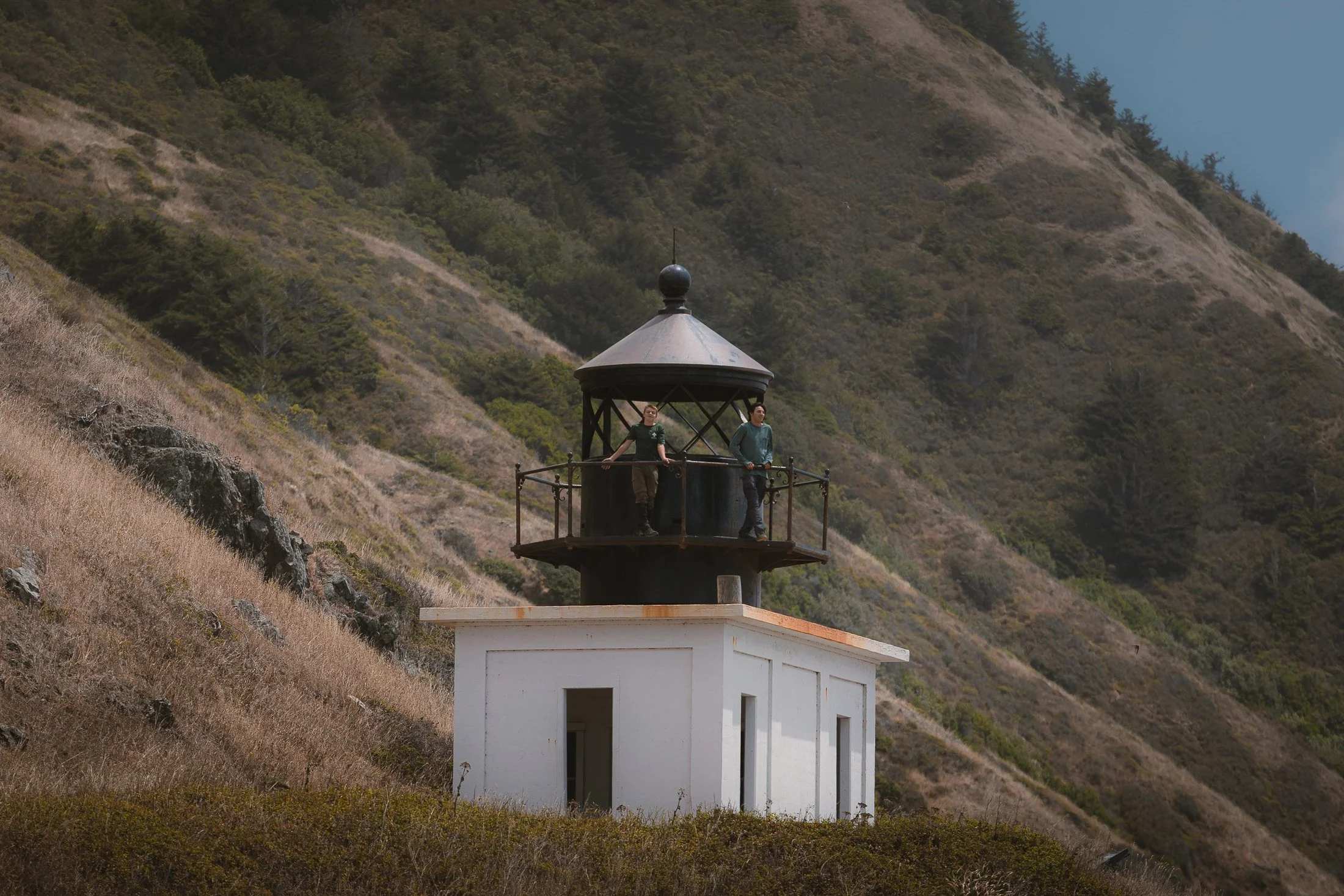
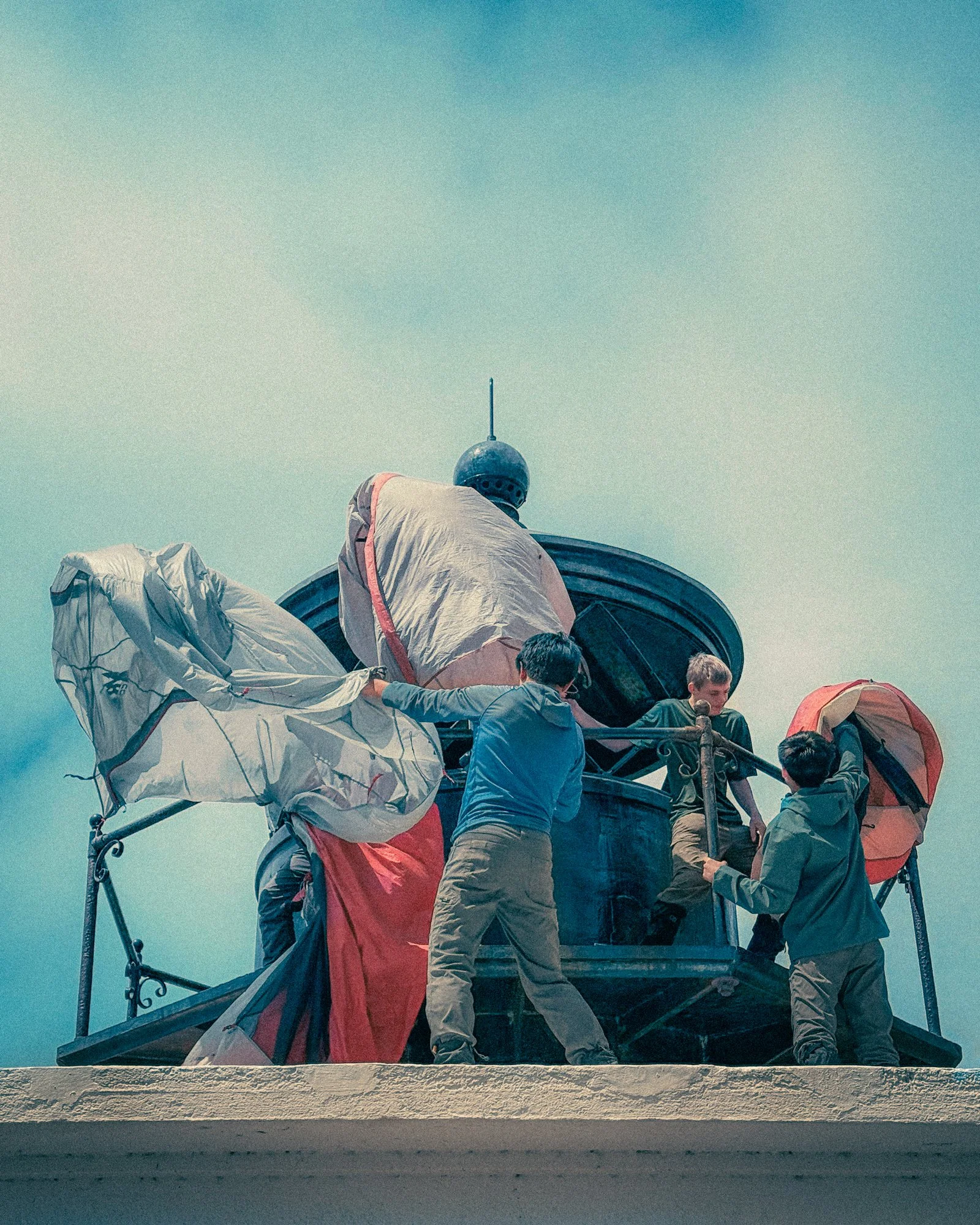
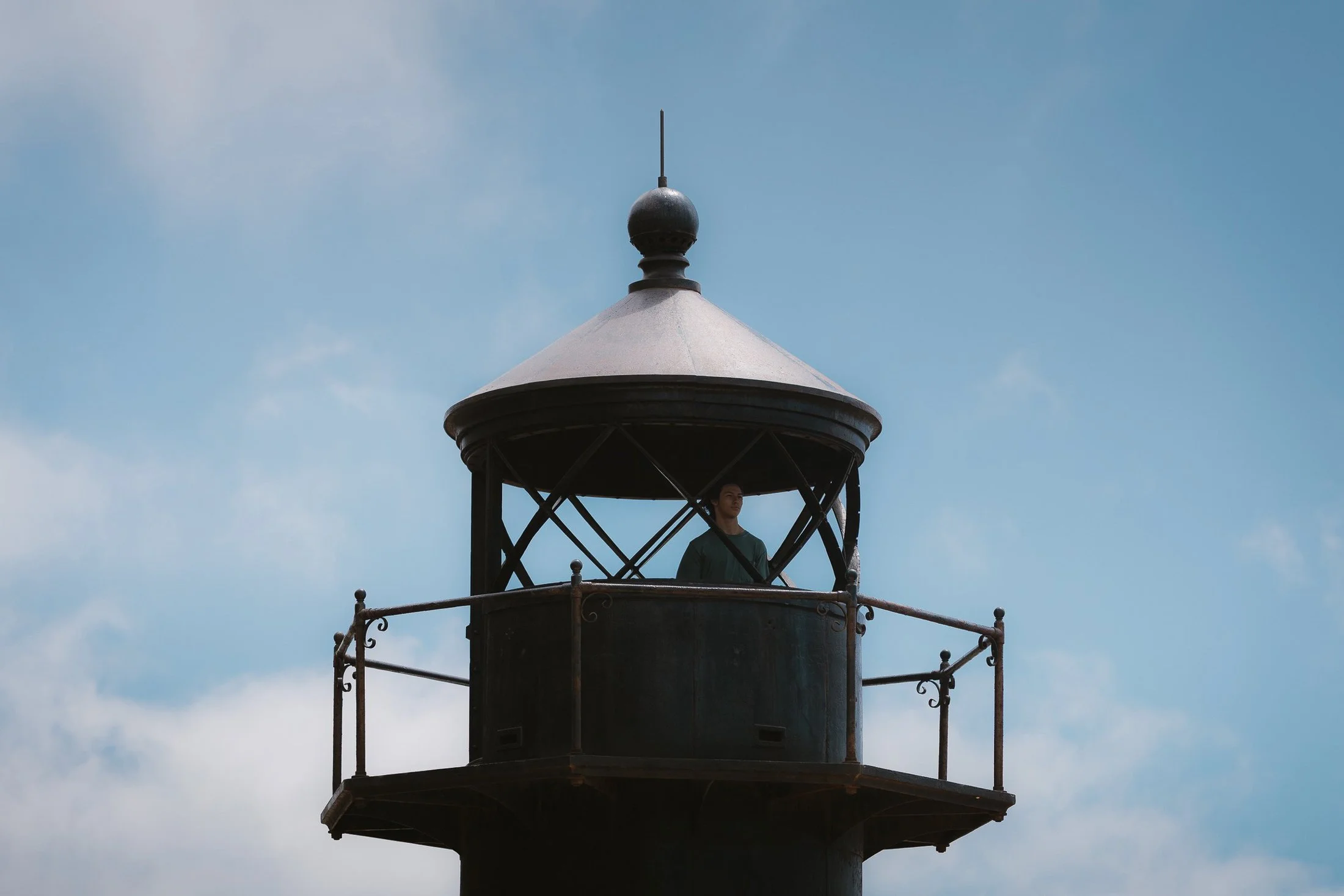
Three of us climbed the lighthouse stairs and lashed our wet tents to its railings, snug enough to hold but loose enough to let the fabric flap. The wind, impatient and eager, took over—filling out each seam and corner until the tents looked like a small fleet of sails straining against their moorings. Before long, each was billowed and bone-dry, smelling of salt and summer, and we thanked the wind for making short of the task before burying the bag in the sand.
The Lotus Eaters
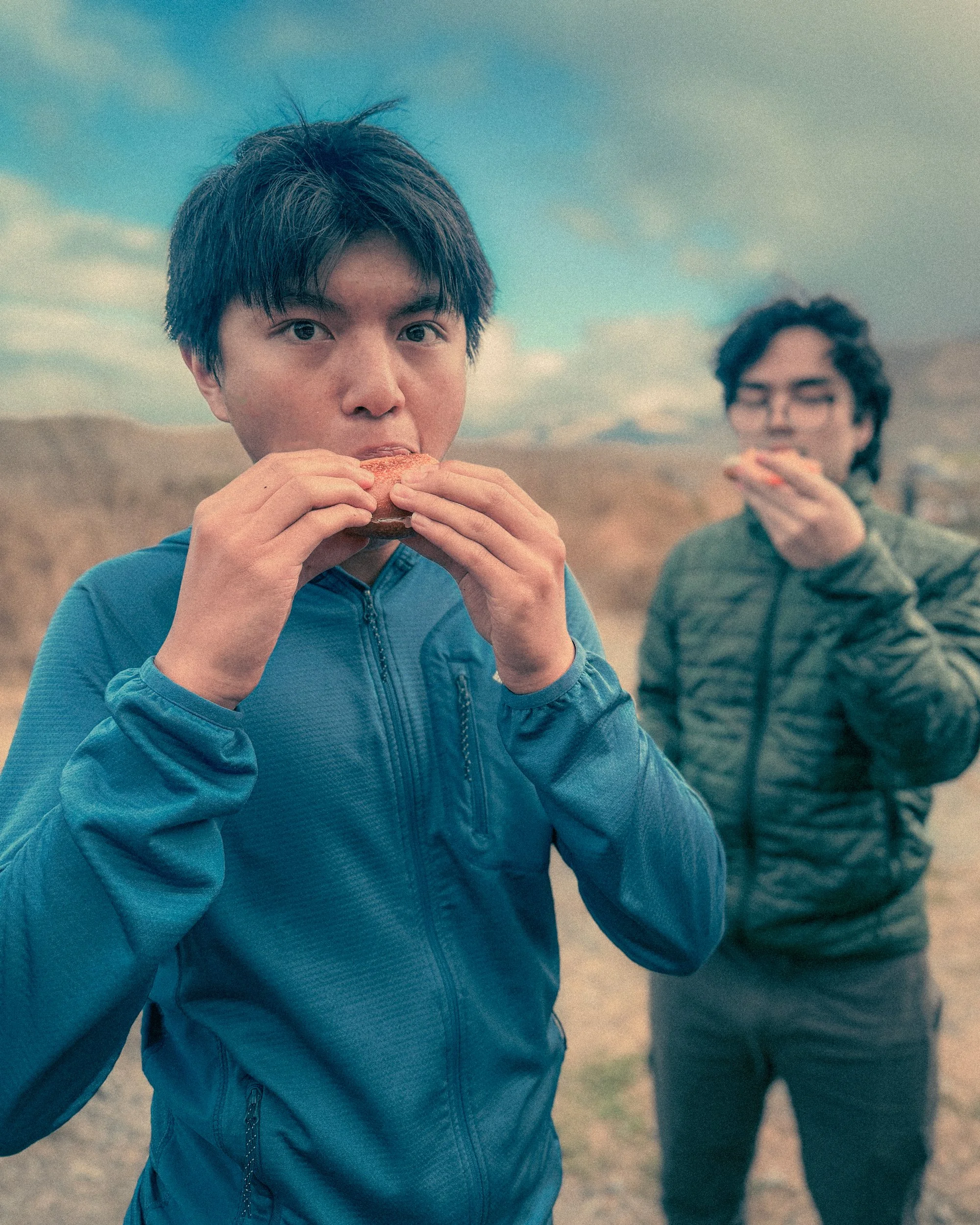
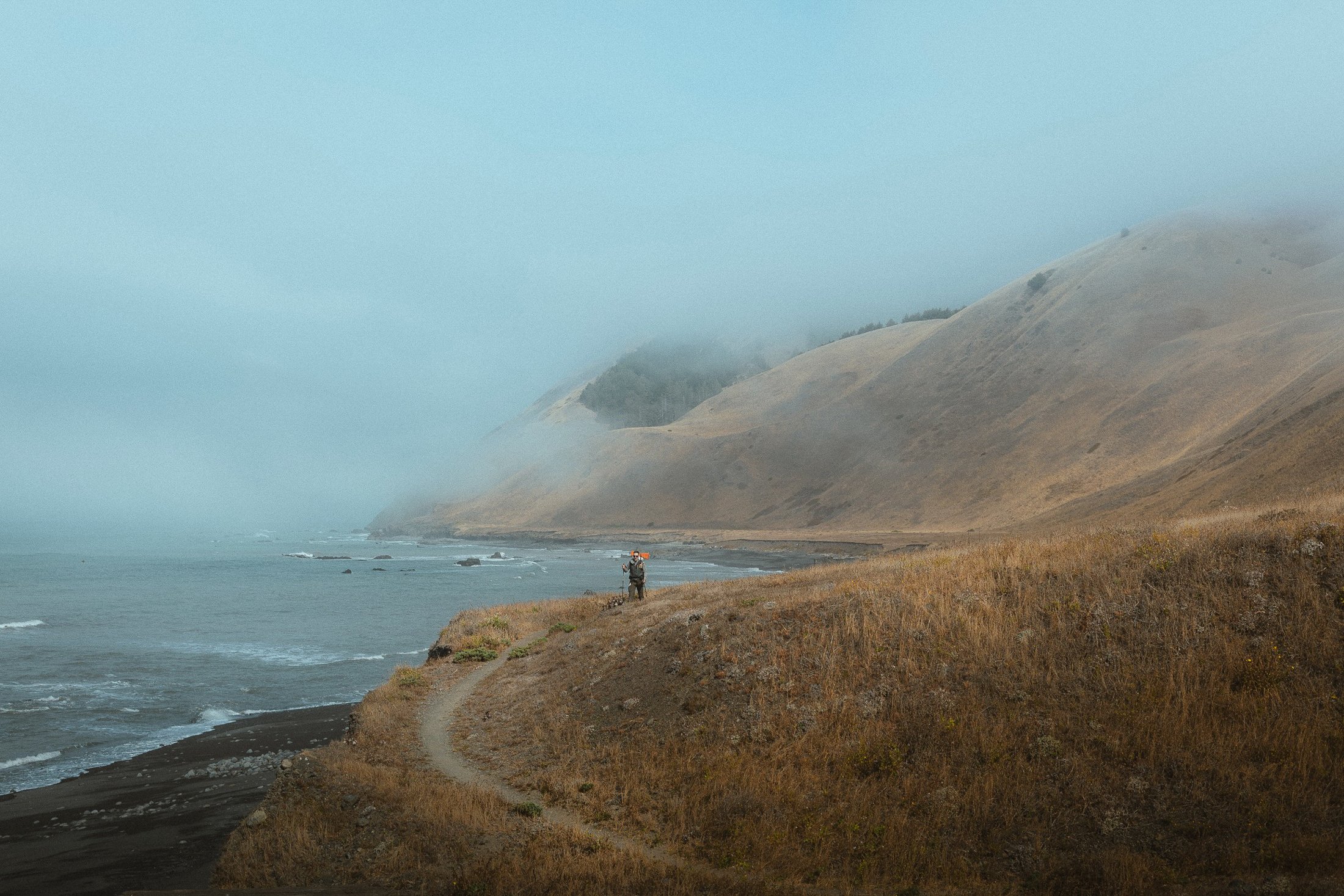
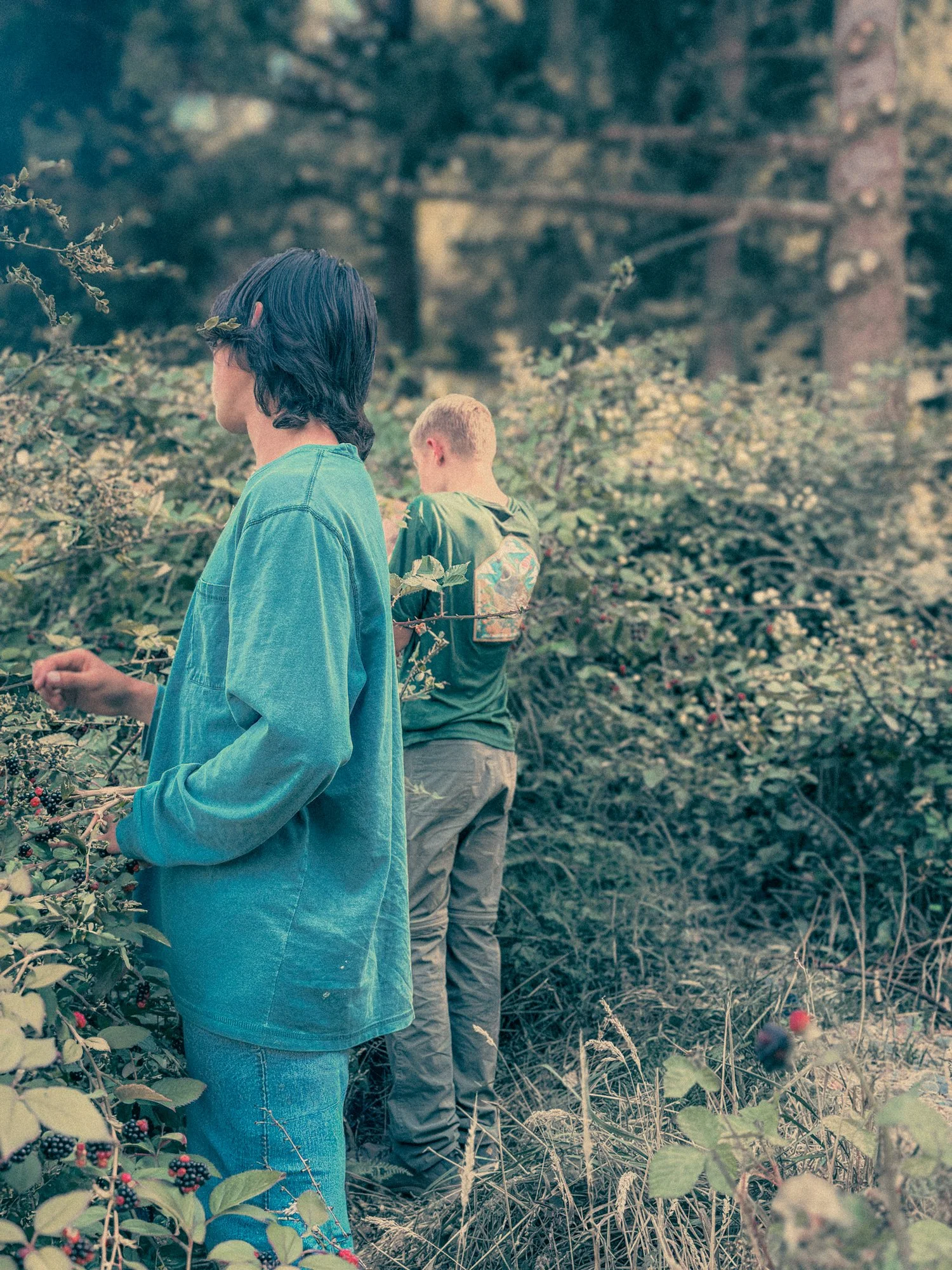
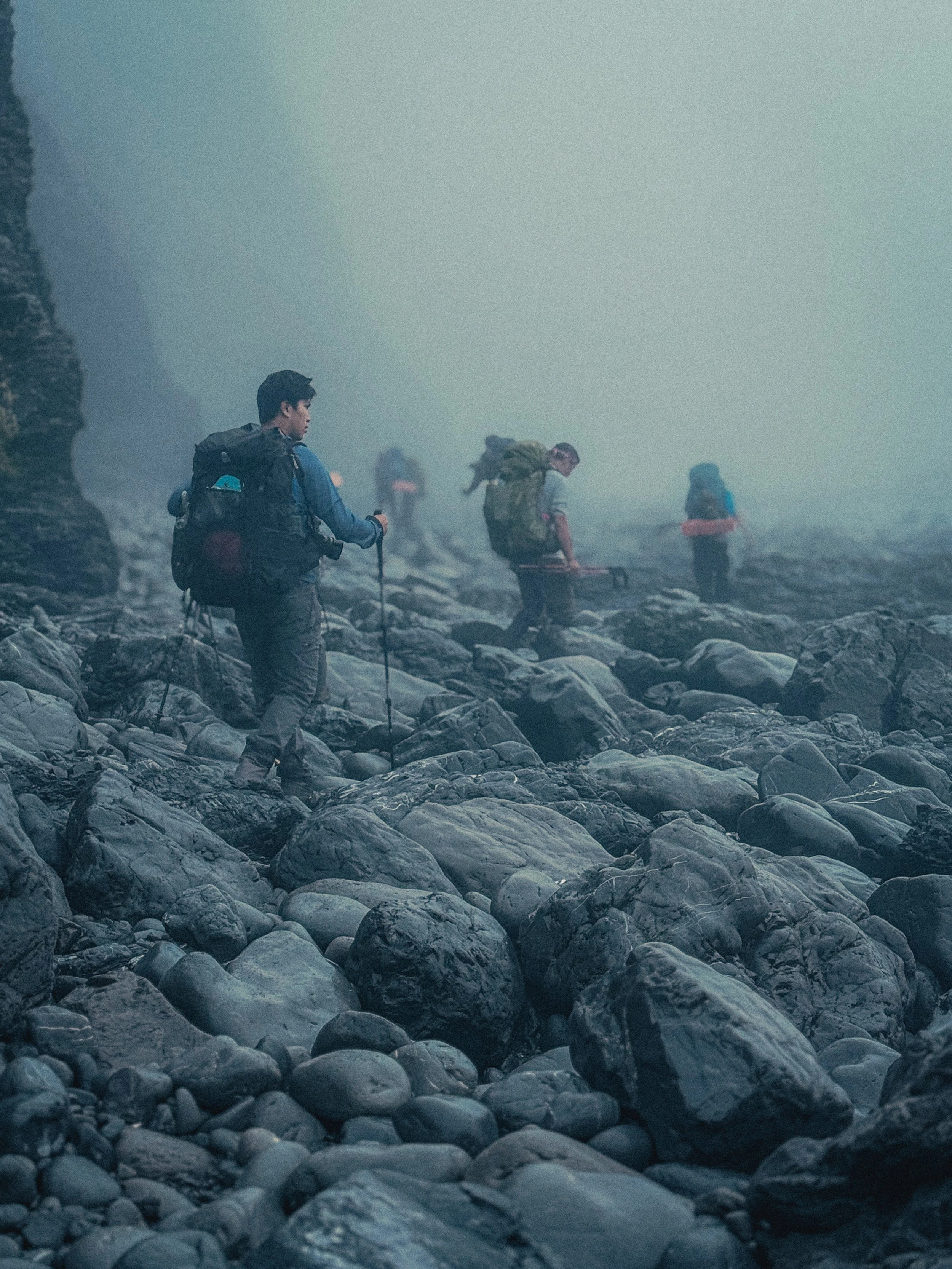
We pulled off the side of the road on a tip from the ranger that blackberries could be found there. They grew thick amongst the tall and tangled brambles, dark and heavy on the cane. We fell on them before we even shouldered our packs, our fingers stained purple from their warm juice. There is a story of men who tasted a certain fruit and forgot their home, forgot even the wish for it, willing to stay forever where they'd landed. Picking through the bramble in the late afternoon sun, we too were in no hurry to become travelers again.
Descent into Hades
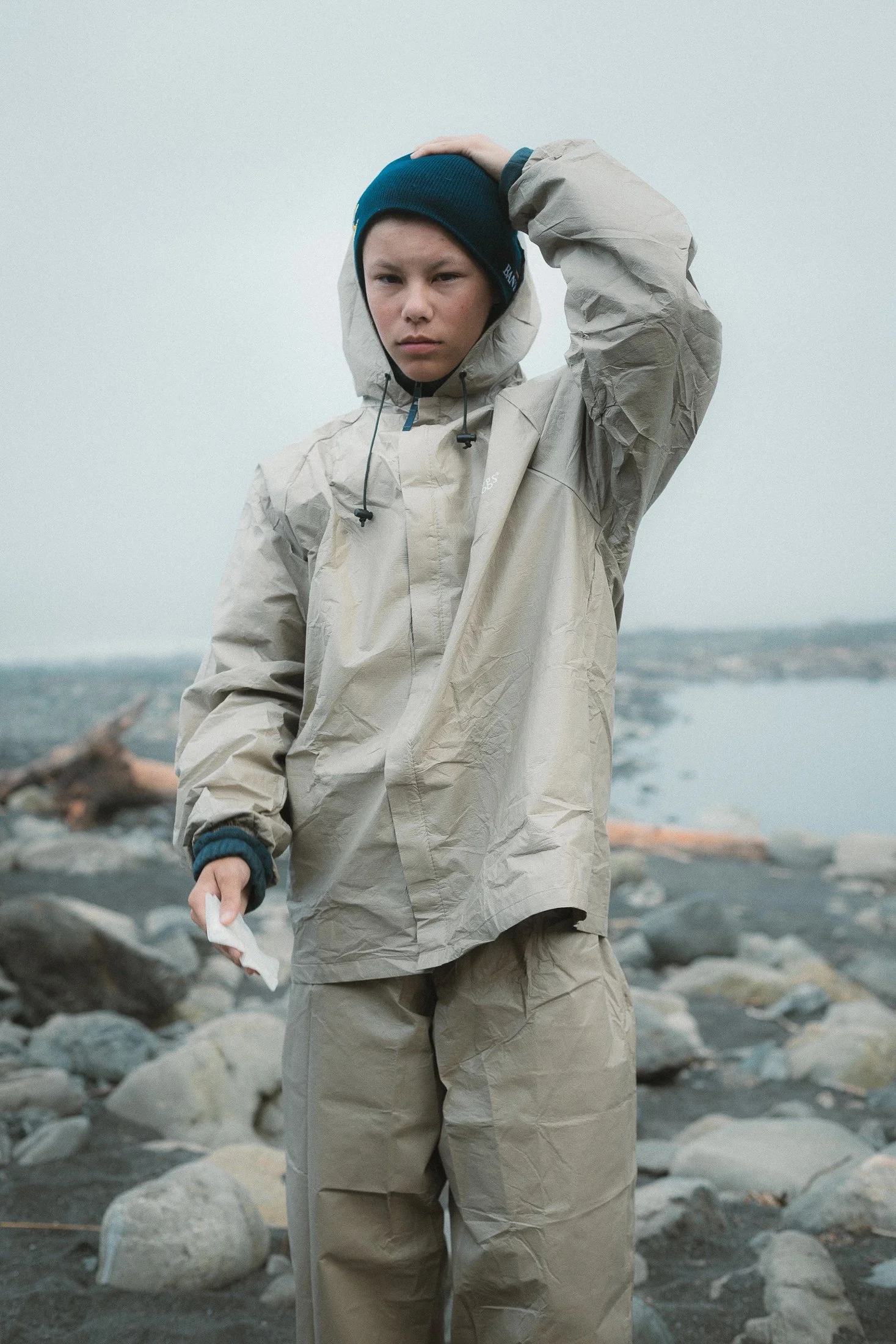
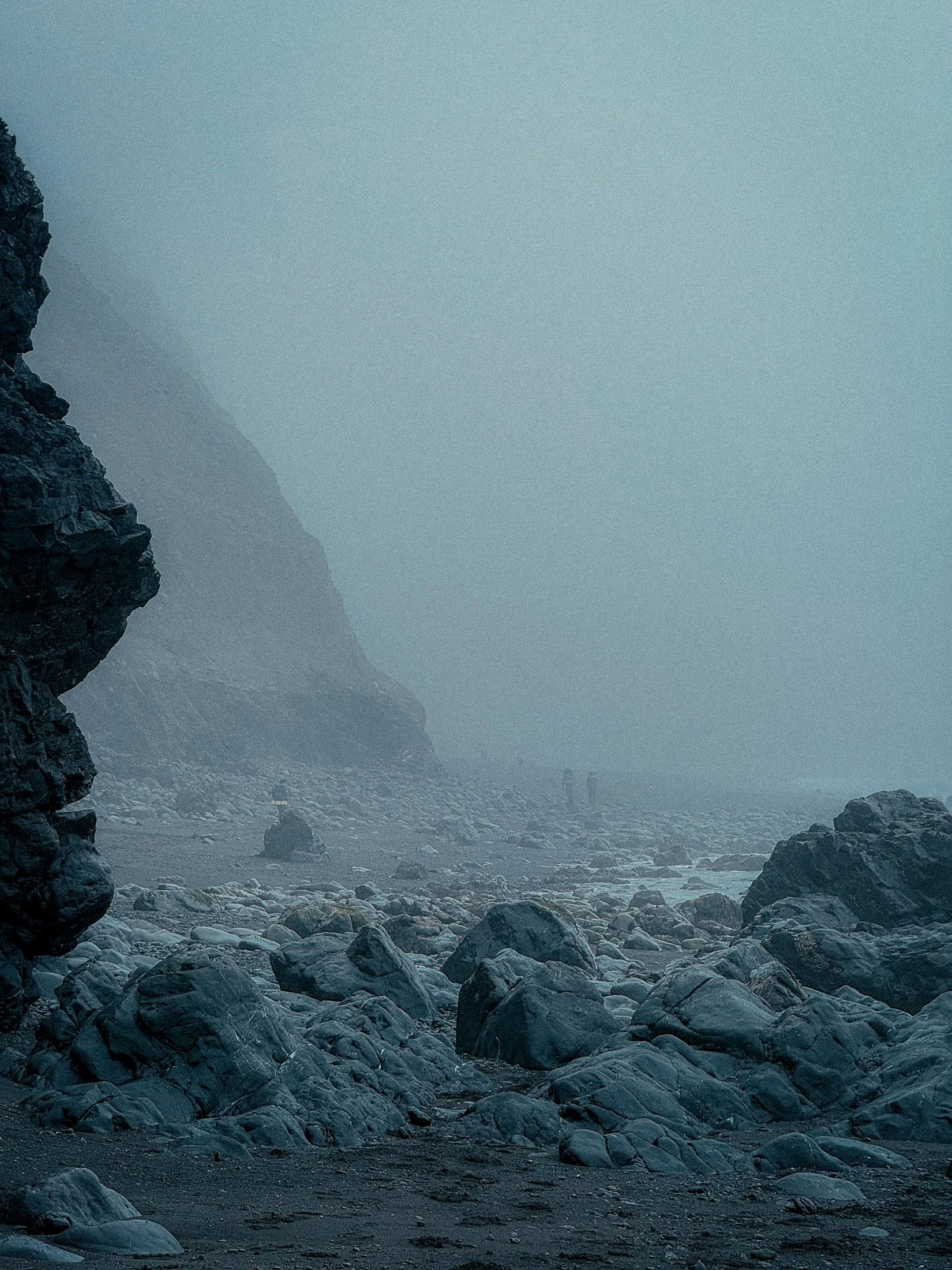
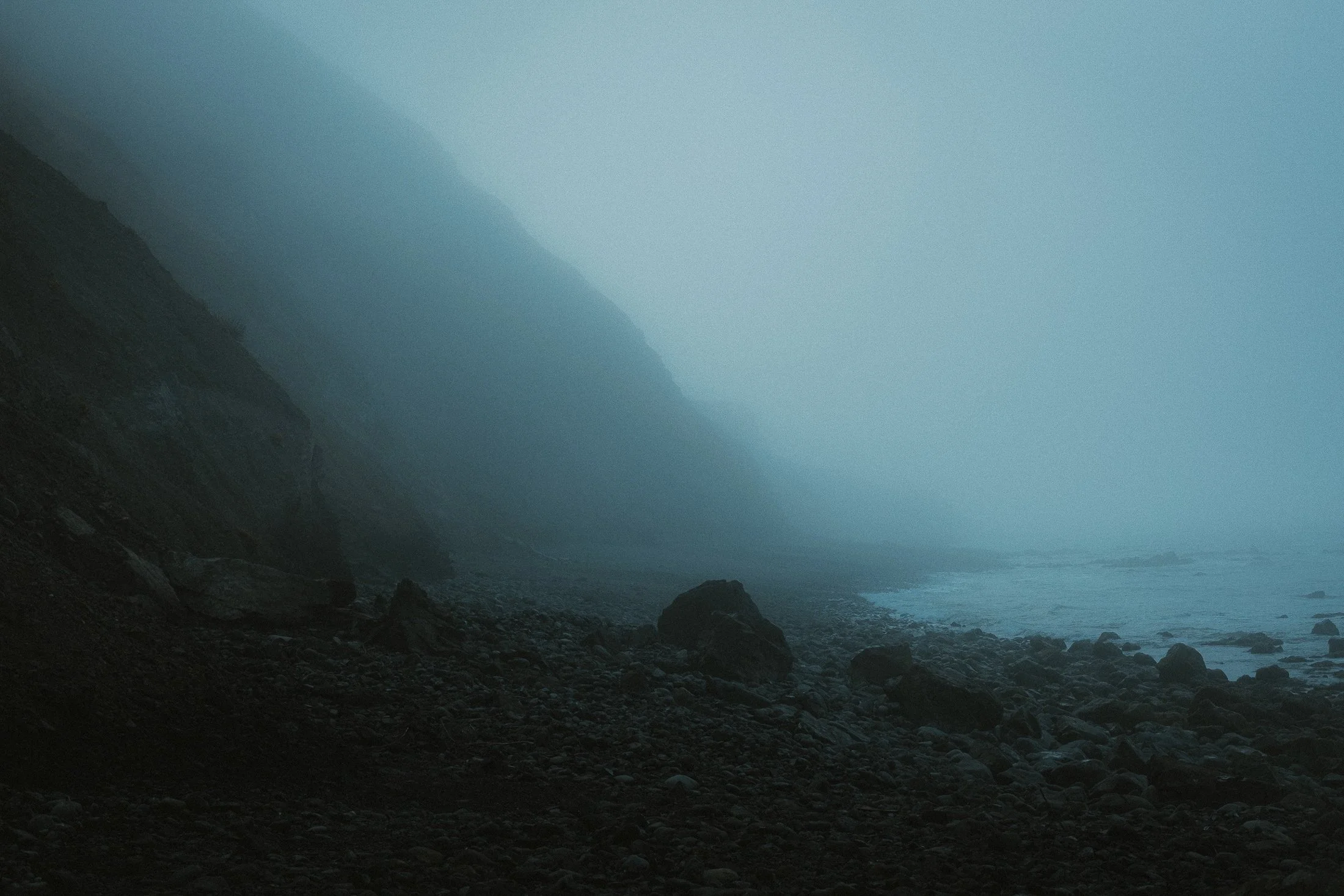
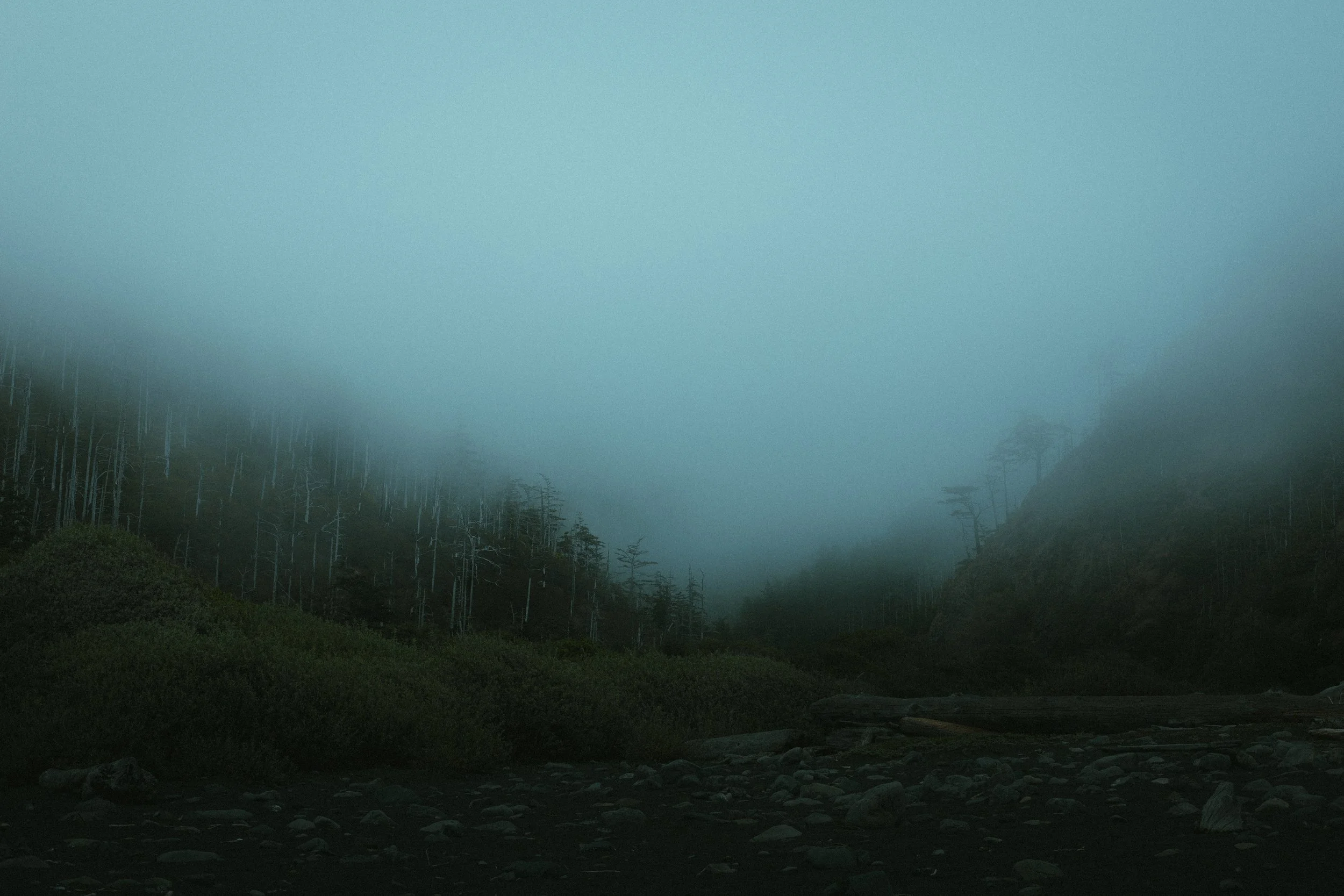
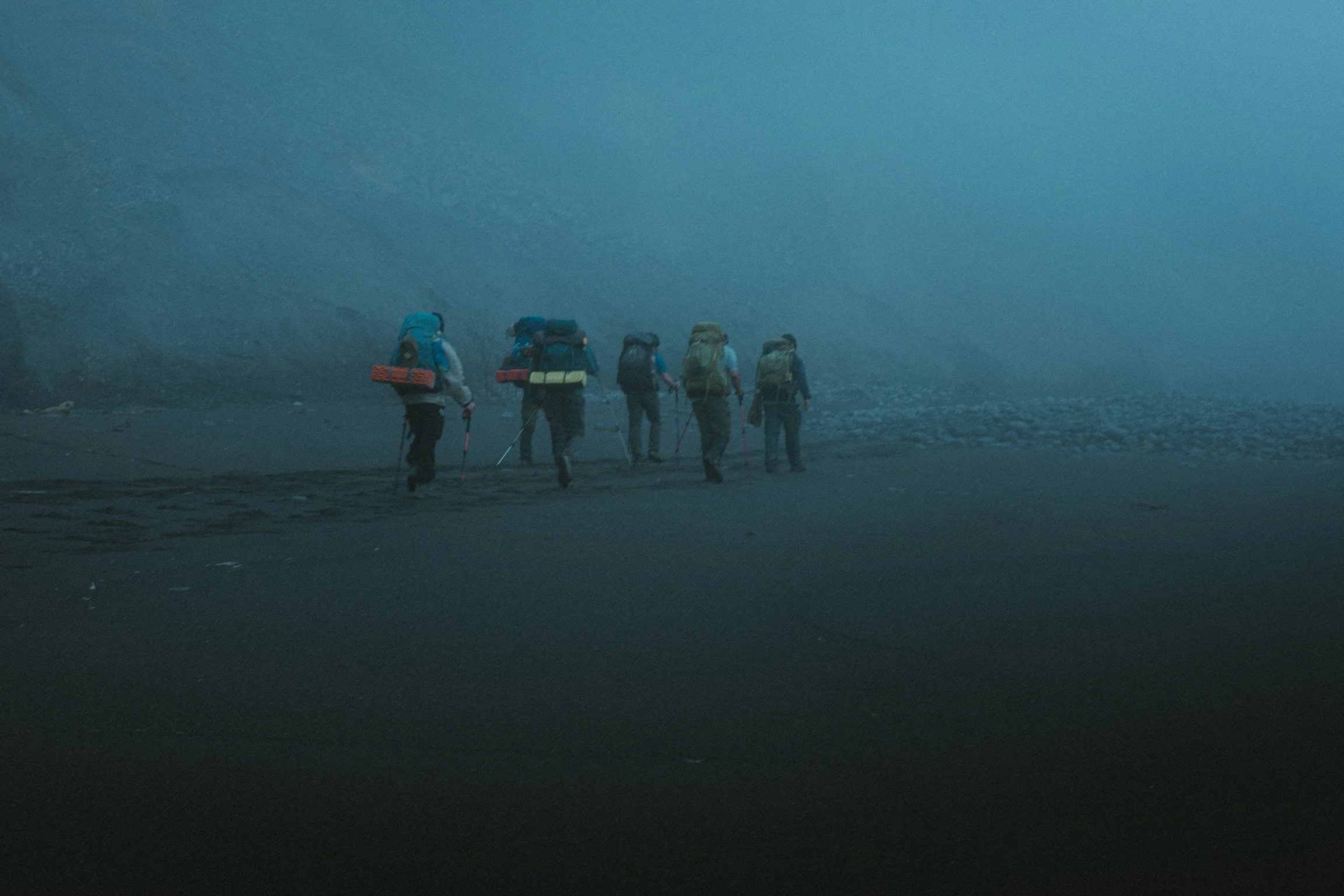
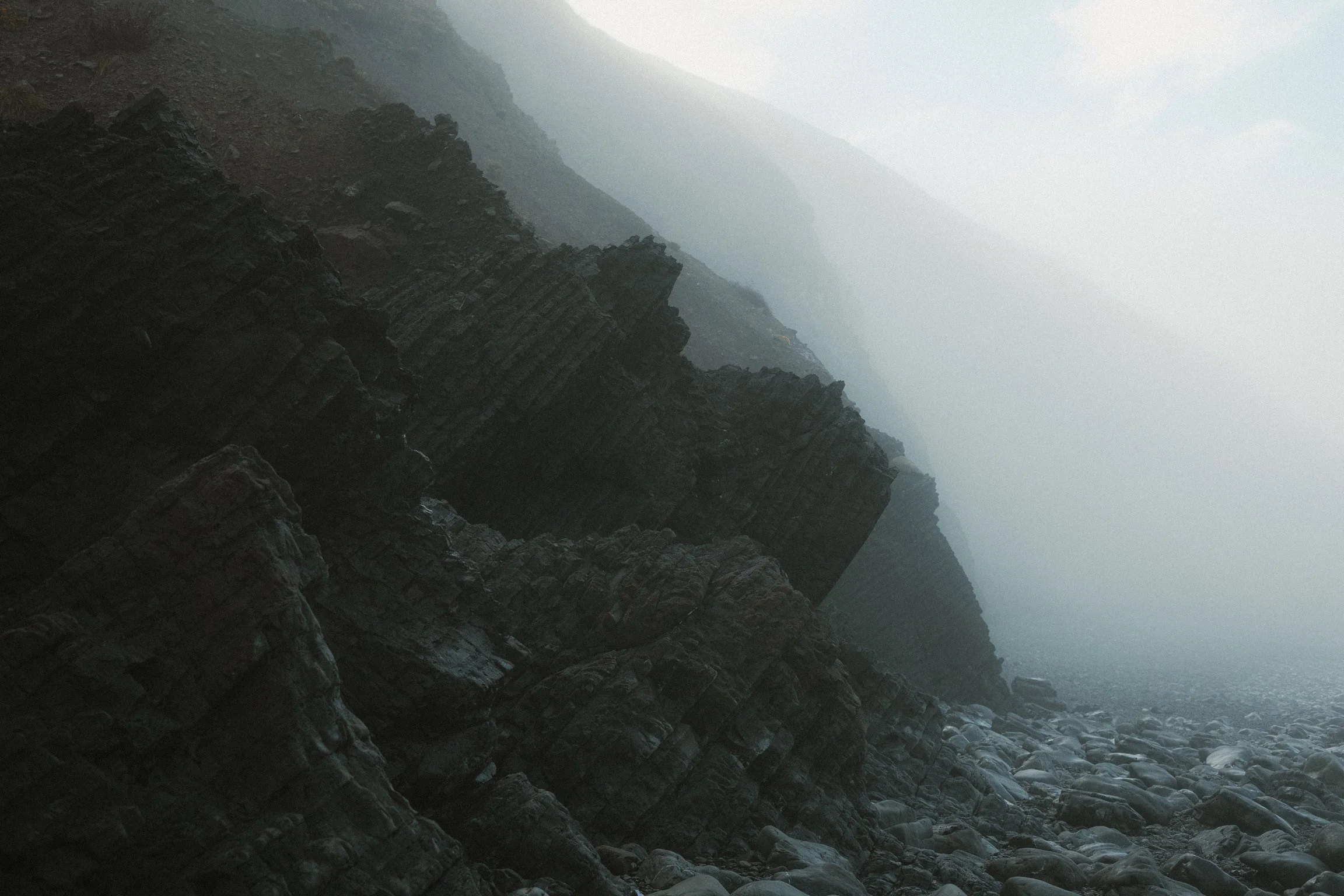
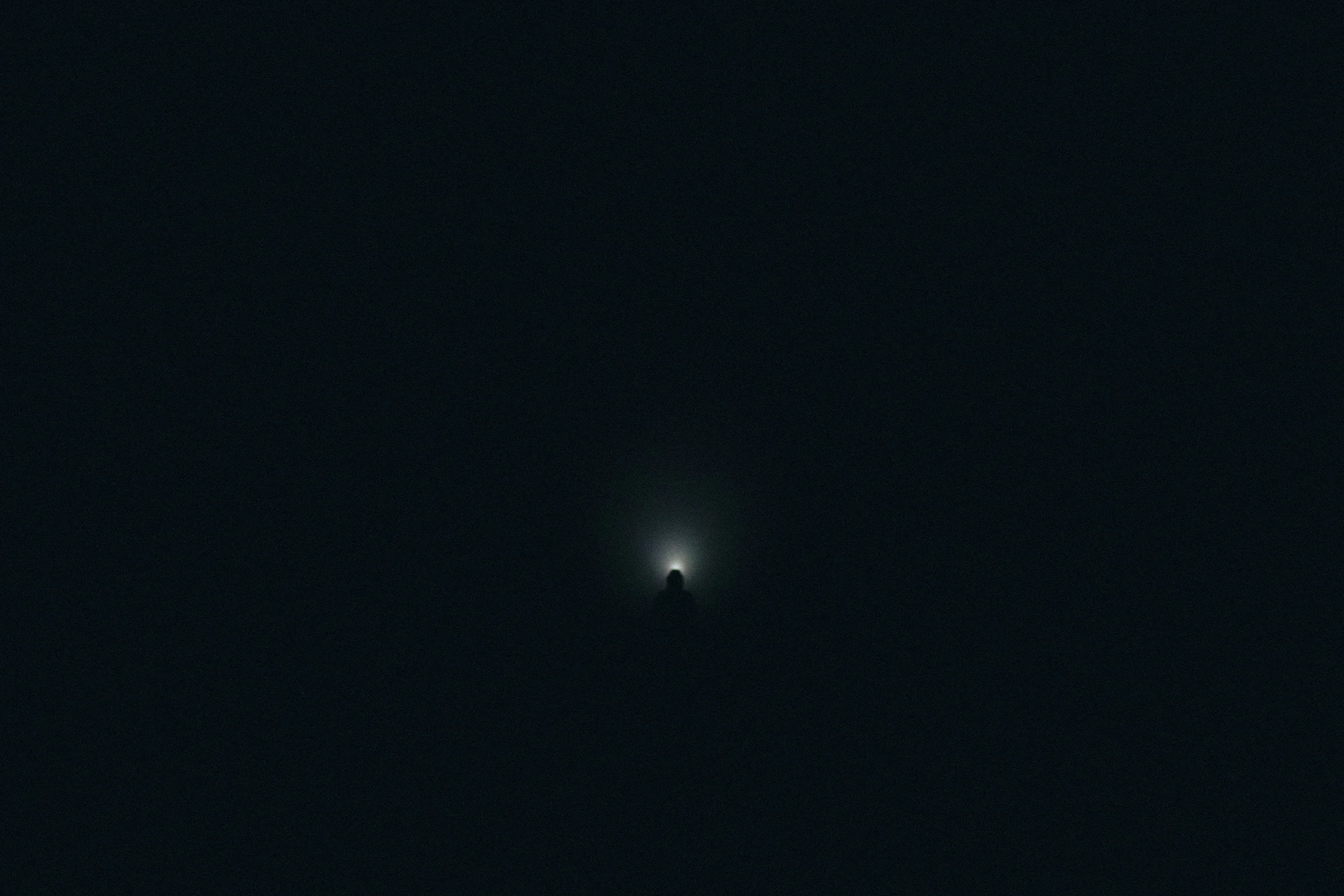
We made camp that night in the stony throat of a gulch and watched the last gray light drain out of it as if the sky itself were being poured empty. Darkness came not gradually but all at once, unchastened by the moonless night. We had no trench of blood to dig, no shades to summon, only the sound of the waves and the whip of the wind against our tents as we waited out the tide until the pale seam of morning found us again.
The Cave of the Cyclops
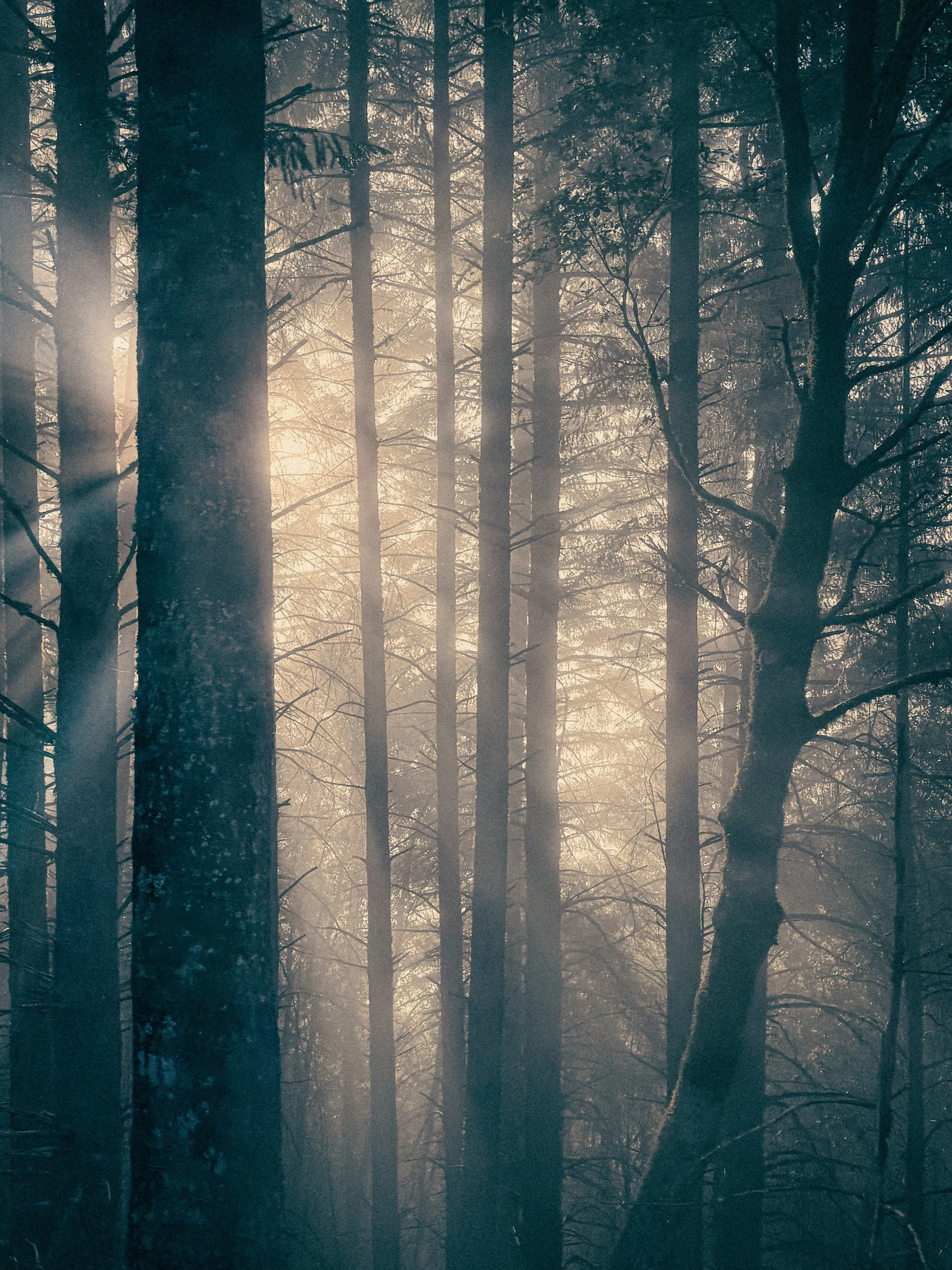
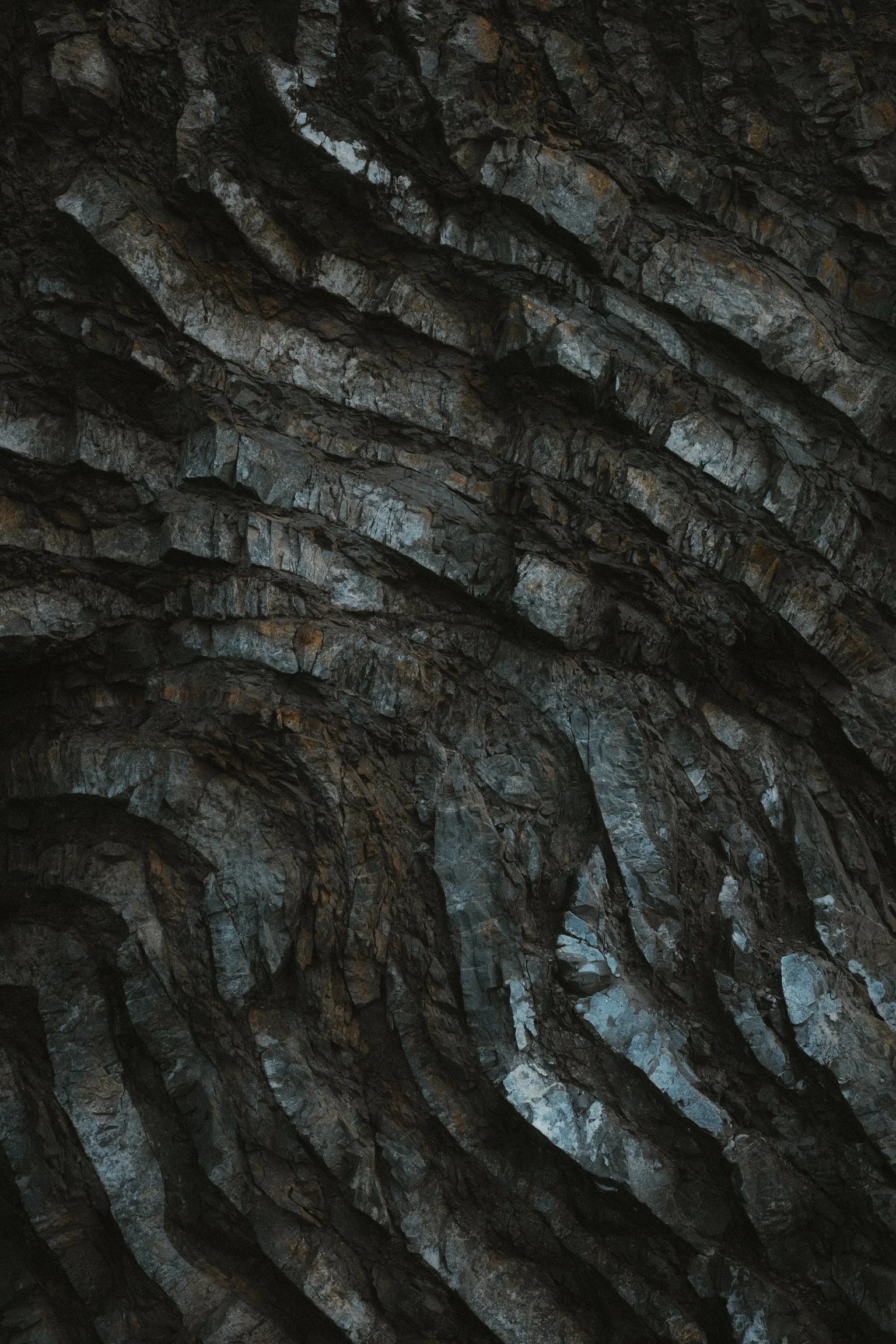
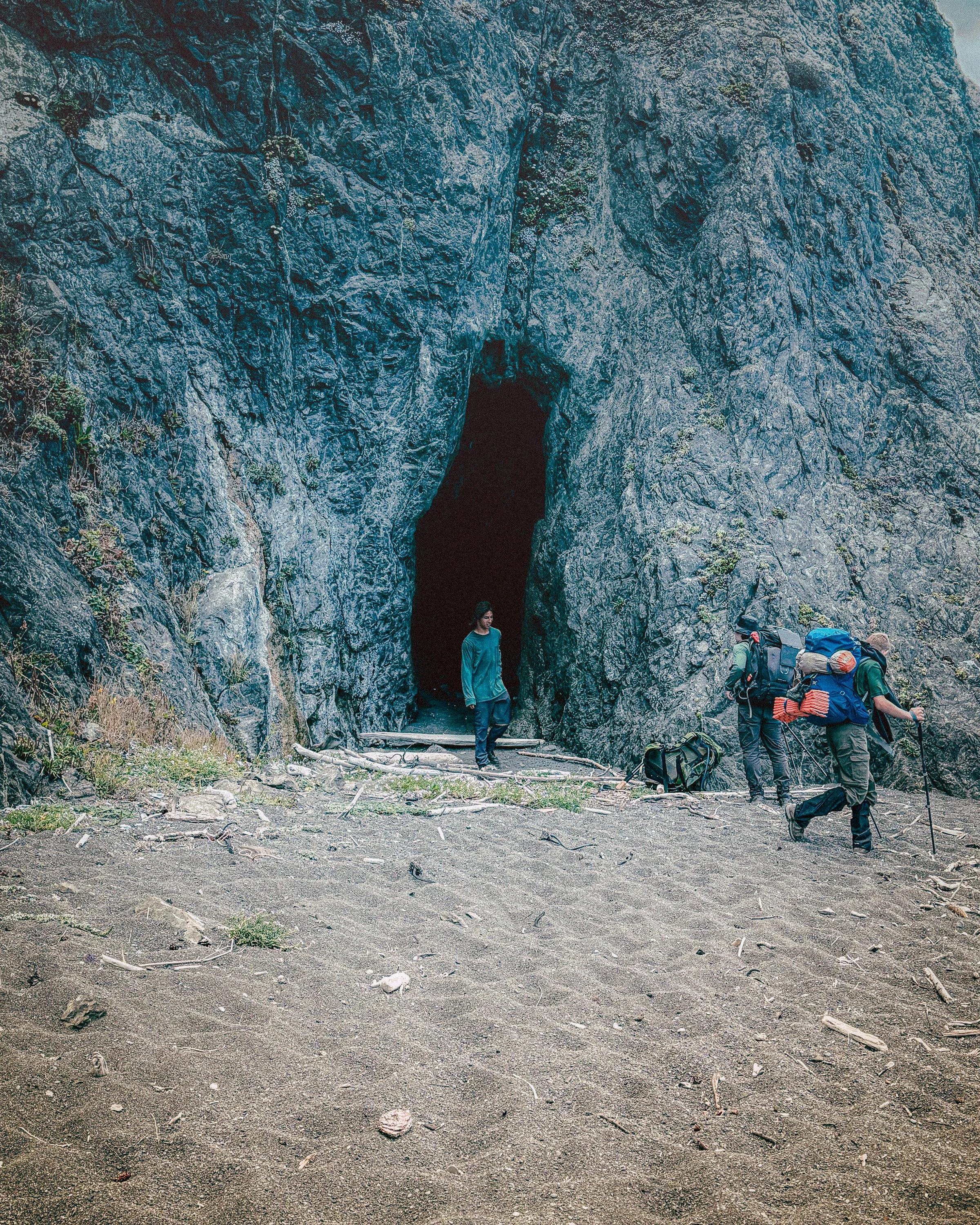
The cave mouth split the rock like a wound. We entered single file, one hand trailing the cold stone to keep from losing the wall entirely. Calling out, our voices came back from the shadows, doubled off unseen surfaces. At times it sounded as if someone else was answering us from the darkness. As we crept deeper, the cave’s stale breath became cooler and heavy with the scent of minerals and wool…
A giant once kept his flock in a place like this, so the story goes, rolling a boulder across the mouth each night, so heavy that ten men couldn't have shifted it. He trusted his blindness to nothing but the shape of things under his dangling fingers.
But we had no flock, no boulder, no monster counting us as we passed—only the echoing drip of water keeping time somewhere in the inky darkness, and the occasional scrape of a boot finding uneven ground.
Behind us, the entrance shrank until just a bright coin remained. The farther we went, the less it seemed like a way out. When we finally turned back toward the light, someone squinted hard into it and said, half-joking, that he'd trade an eye for a clearer look at the way path. We laughed uneasily and hastened our pace.
A Bag of Winds
They say the sea keeps its secrets in its belly and the sky keeps its temper in its breath. Because we were boys with too much curiosity and days alone on the trail, we learned another thing: winds can be carried like firewood, bundled and stored, and released in small but furious measures.
We found the bag half-buried under the tumbled driftwood near the point where kelp mats heaved and fell with the ocean's slow heartbeat. It was left there by Aeolus, knowing we would find it, a simple ox-hide pouch, held closed by a coil of cord. Inside, we expected to find the usual small things boys collect: shells, sea glass, a message in a bottle. But when we loosened the cord and peered inside, the grass around our boots shivered and bent, and looking out to sea we saw the dark water start to roll.
We discovered how it worked by degrees. When you loosen the cord a bit, a draft slips out. Tighten the knot and the world forgets the breath ever existed. Pull the stitch free and the whole pouch empties with a gust that can strip leaves off branches and whip the crests of the waves into white, frothy ridges.
Three of us climbed the lighthouse stairs and lashed our wet tents to its railings, snug enough to hold but loose enough to let the fabric flap. The wind, impatient and eager, took over—filling out each seam and corner until the tents looked like a small fleet of sails straining against their moorings. Before long, each was billowed and bone-dry, smelling of salt and summer, and we thanked the wind for making short of the task before burying the bag in the sand.